Reinventing Enterprise AI Inference with NVIDIA Vera Rubin, Dynamo, and Nemotron
Enterprise AI is entering a new phase, and Vultr is leading the way. While model development has advanced rapidly, deploying AI systems efficiently at scale remains a challenge. Organizations are increasingly focused on inference performance, cost efficiency, and infrastructure that can support production-grade AI workloads across global environments.
Vultr’s adoption of the NVIDIA Vera Rubin platform, along with NVIDIA Dynamo and Nemotron, delivers a full-stack solution that meets these demands.
Vultr and NVIDIA are also working together on NVIDIA NemoClaw – an open source stack that simplifies running OpenClaw always-on assistants, more safely, with a single command. As part of the NVIDIA Agent Toolkit, it installs the NVIDIA OpenShell runtime – a secure environment for running autonomous agents, and open source models like NVIDIA Nemotron.
Why inference infrastructure matters
Many enterprise AI initiatives stall between the prototype and production stages. Among the biggest barriers are the cost and complexity of running inference workloads at scale.
Inference requires infrastructure that can deliver:
- High token throughput
- Efficient GPU utilization
- Scalable deployment across environments
- Cost-efficient performance for continuous workloads
Without these capabilities, even powerful models struggle to operate efficiently in real-world production systems.
The Vera Rubin platform introduces a new generation of infrastructure designed to meet the performance and scaling demands of modern AI applications.
A full-stack approach to AI inference
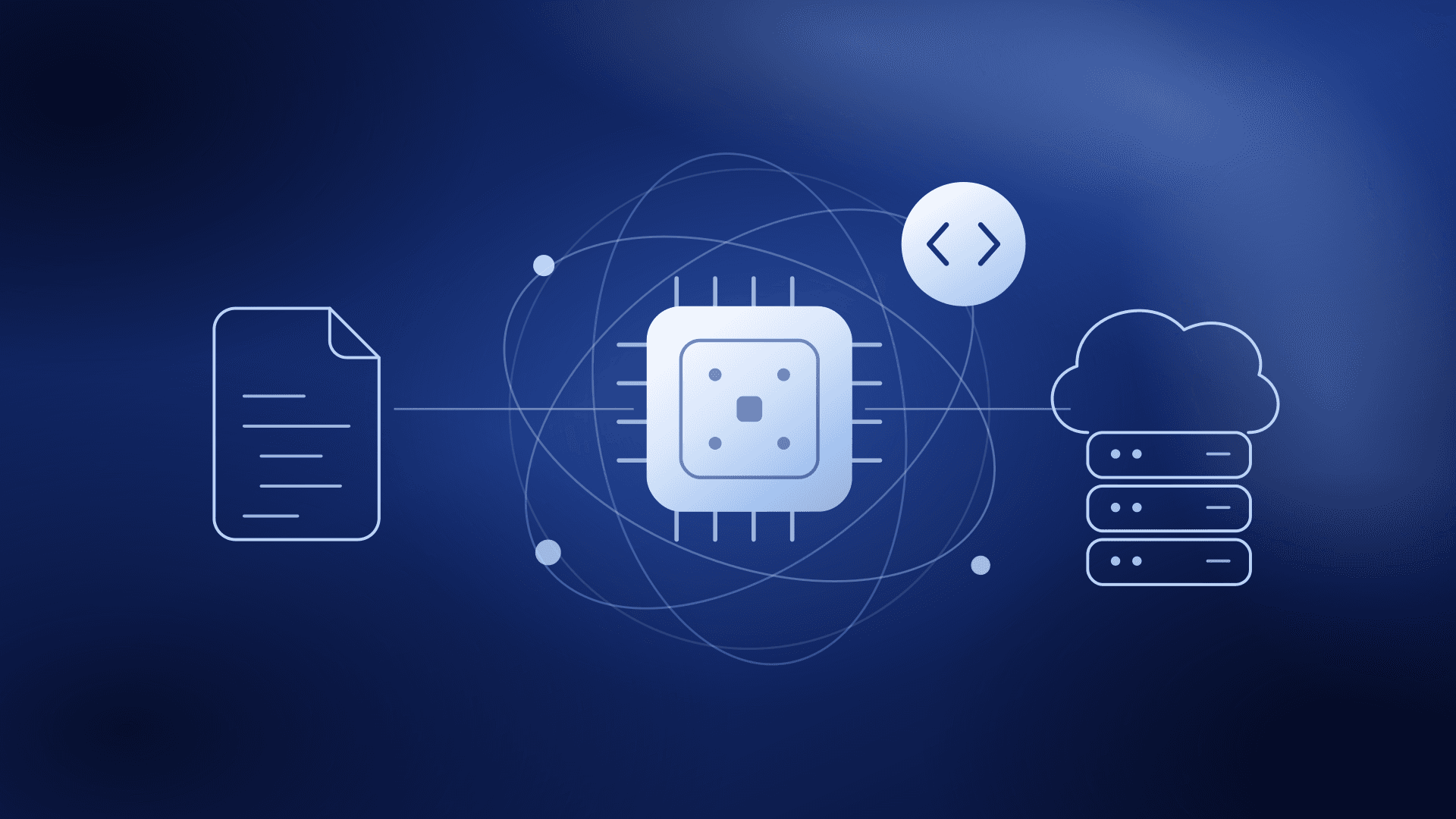
The optimized inference stack combines multiple layers of technology designed to work together seamlessly:
- NVIDIA Vera Rubin platform for next-generation AI compute
- NVIDIA Dynamo for high-performance inference orchestration
- NVIDIA Nemotron models for enterprise-ready AI capabilities
Together, these components form a composable AI infrastructure stack that supports modern enterprise workloads.
This approach focuses not only on model performance but also on the economics of inference, often referred to as tokenomics. Improving token throughput while reducing infrastructure overhead allows organizations to deploy AI systems that are both scalable and financially sustainable.
Accelerating agentic AI workloads
Agentic AI systems are among the fastest-growing categories of enterprise AI. These systems rely on coordinated models, tools, and workflows to perform complex tasks autonomously.
Running agentic AI effectively requires:
- Low-latency inference
- Parallel execution across multiple models
- Rapid scaling across workloads
- Reliable orchestration of inference pipelines
NVIDIA Dynamo provides the framework for orchestrating these complex inference workflows. Designed specifically for large-scale AI deployments, Dynamo enables higher throughput and more efficient use of compute resources.
When paired with Nemotron models, enterprises can deploy domain-specific AI systems capable of handling real-world workloads across industries.
Building AI systems around data
AI inference performance is only as strong as the data systems supporting it. Enterprise AI deployments must handle massive datasets while maintaining security, reliability, and performance.
A modern AI-ready data estate requires infrastructure that can:
- Deliver high-throughput data access for GPU workloads
- Maintain secure and compliant data environments
- Support large-scale model inference pipelines
NetApp’s disaggregated data management platform and AI Data Engine provide the data foundation for these workloads. Built on the NVIDIA AI Data Platform reference design, this architecture allows organizations to transform and process AI-ready data directly within the data environment.
This approach enables faster model responses while maintaining the security and governance required for enterprise environments.
Supporting enterprise AI across cloud environments
Modern organizations rarely operate within a single infrastructure environment. AI workloads increasingly span public, private, and sovereign cloud deployments.
An inference stack designed for enterprise use must support:
- Hybrid and multicloud environments
- Regional data residency requirements
- Highly regulated industry workloads
- Global deployment at scale
This flexibility enables organizations to deploy AI systems wherever their data, compliance requirements, or users demand.
Preparing for the next generation of AI infrastructure
The rapid evolution of AI applications is placing new demands on infrastructure. Enterprises are moving beyond experimental AI use cases toward fully integrated AI systems that support core business operations.
These systems require infrastructure with:
- Production-grade inference performance
- Scalable GPU compute
- Efficient AI frameworks
- Integrated data platforms
Vultr’s optimized stack, powered by NVIDIA Vera Rubin, Dynamo, and Nemotron, ensures enterprises are ready for the next generation of AI infrastructure. By combining production-ready compute, high-performance frameworks, and AI-ready data platforms, Vultr enables organizations to deploy agentic AI and large-scale inference workloads efficiently and globally.